Categories:
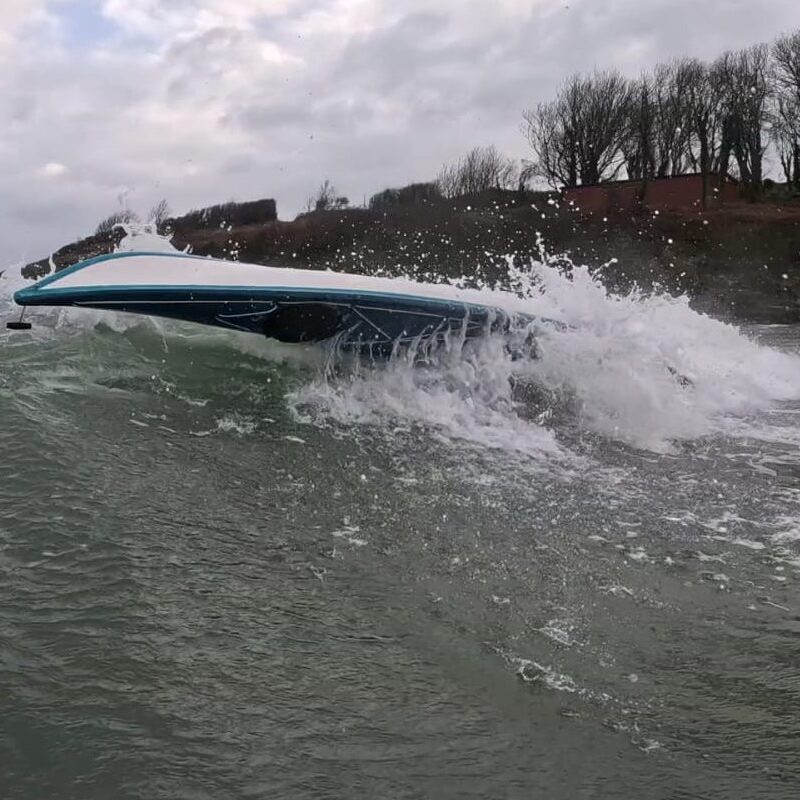
Imagine you're paddling in the surf. Waves are breaking around you, you're catching waves, moving in and out of the surf zone and enjoying the energy of the sea.
Then a wave catches you a little harder than expected. Perhaps you decide it's better to give in than fight it, or perhaps everything happens so quickly that you're upside down before you know it.
Now the water is in control. But is that necessarily a bad thing?
Categories:
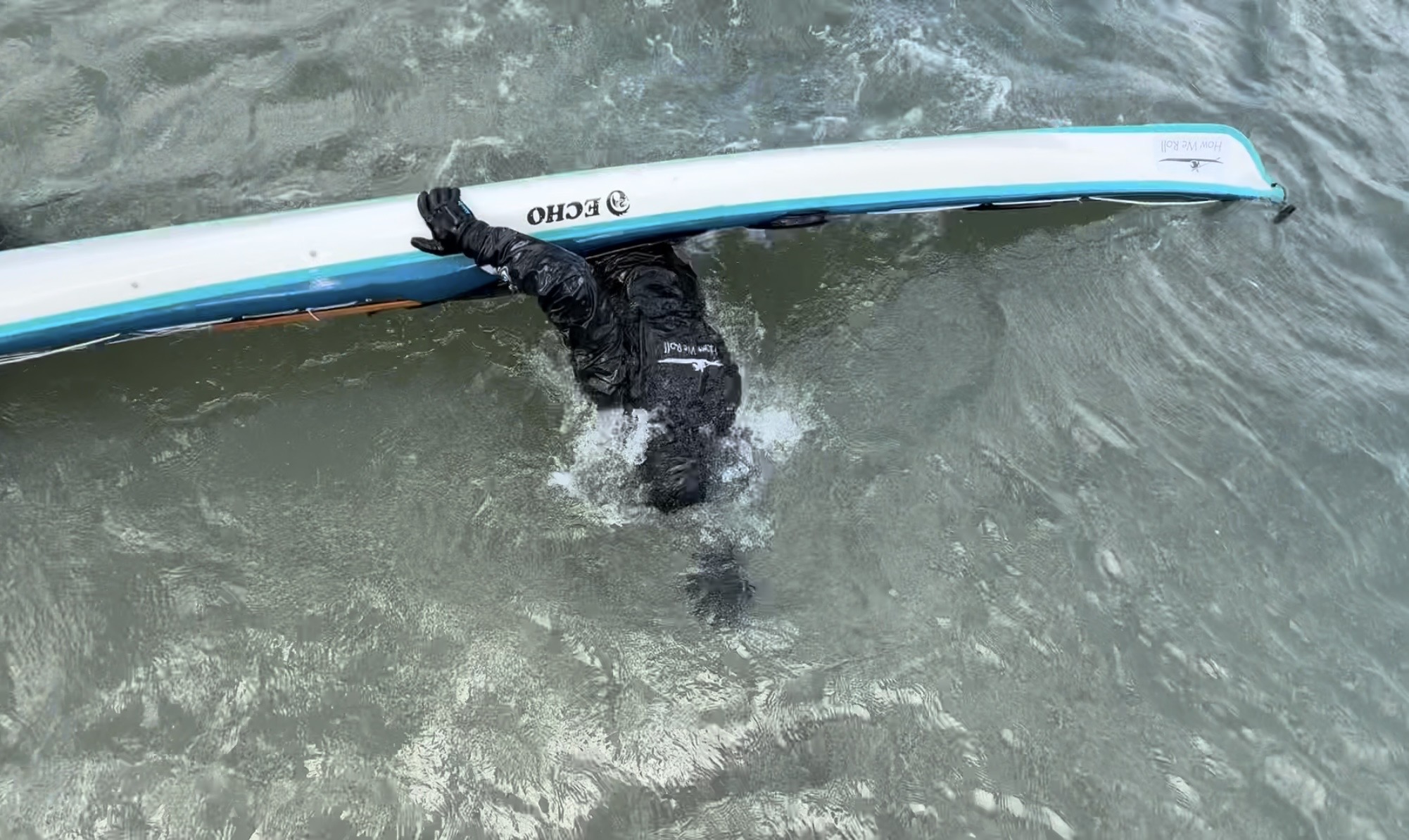
Sometimes we watch someone rolling and the movement looks beautiful. The kayak comes upright effortlessly, the paddler seems completely relaxed, and the whole action appears smooth and graceful.
Other rolls may be technically correct, yet somehow, they lack that same quality. The paddler gets upright, but the movement looks mechanical or forced. Something seems to be missing.
Categories:
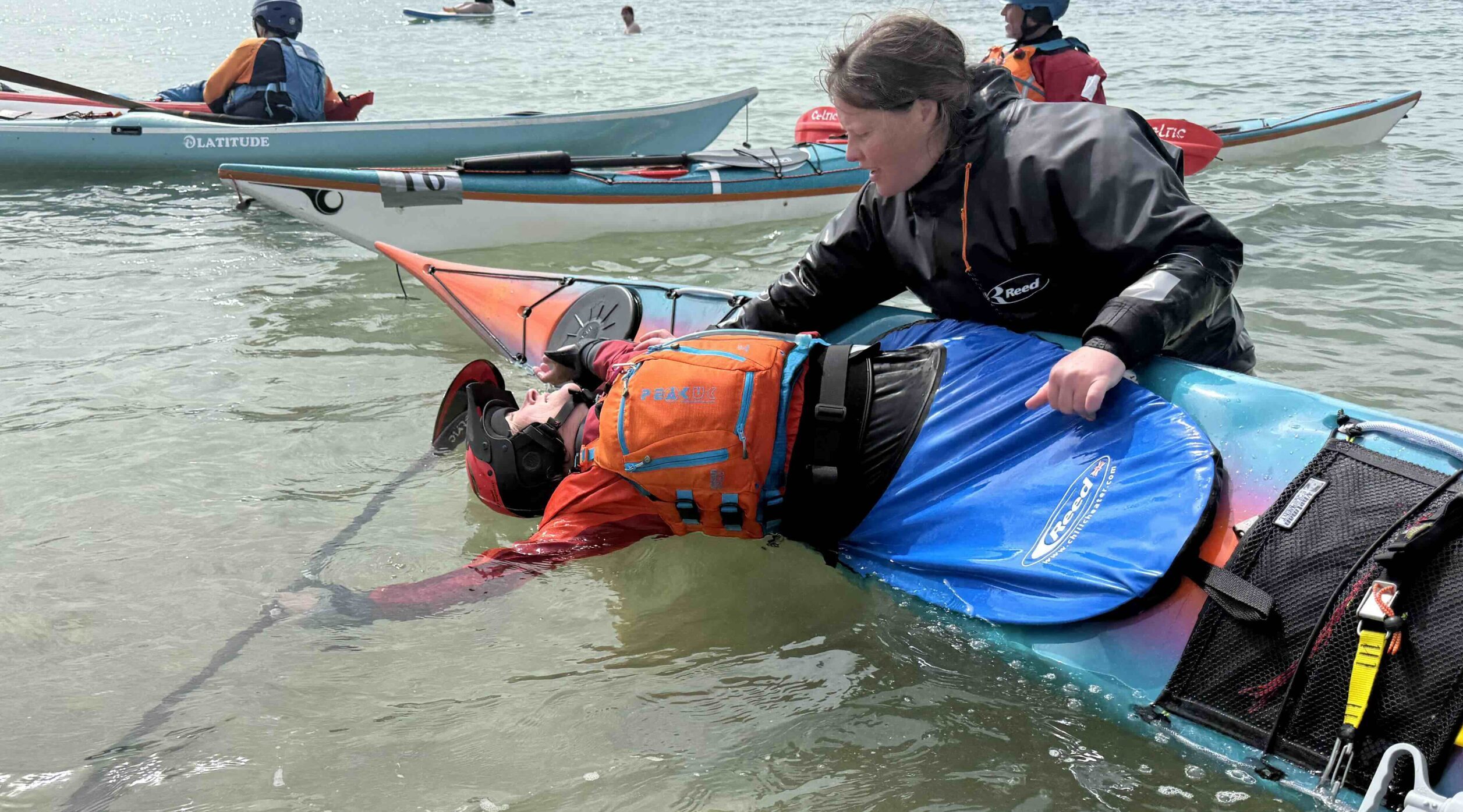
You want to learn to roll? Maybe you've been inspired by watching others make it look effortless, or perhaps you've found yourself upside down wishing that a reliable roll would have made the situation a lot less stressful.
Learning to roll can be an exciting journey. It's a chance to discover new skills, improve your technique, and build confidence in your kayak. At the same time, it can feel intimidating. So where should you start, and how can you make it an exciting challenge rather than a daunting one?
Categories:
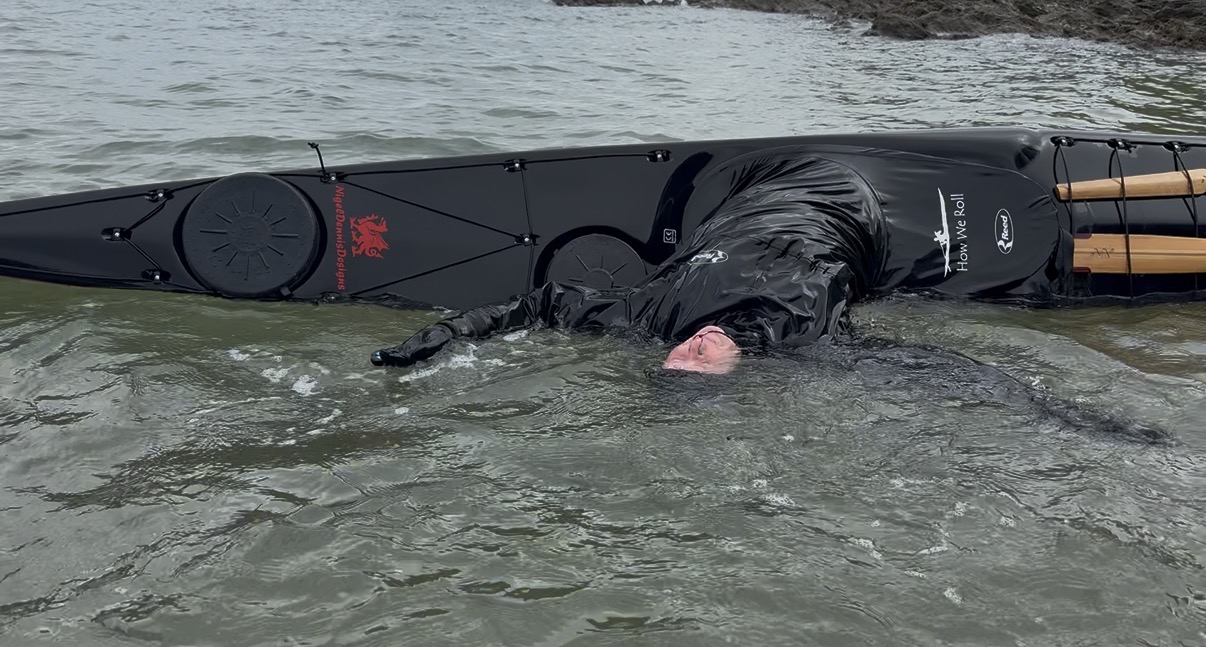
We love rolling kayaks. It’s a tool, a challenge, mostly beautiful movements, and a way of connecting the two worlds above and below the water’s surface. But there is also something deeper to it. It’s often the mental side of the rolling exercise, rather than just the physical, that makes it so special.
Categories:
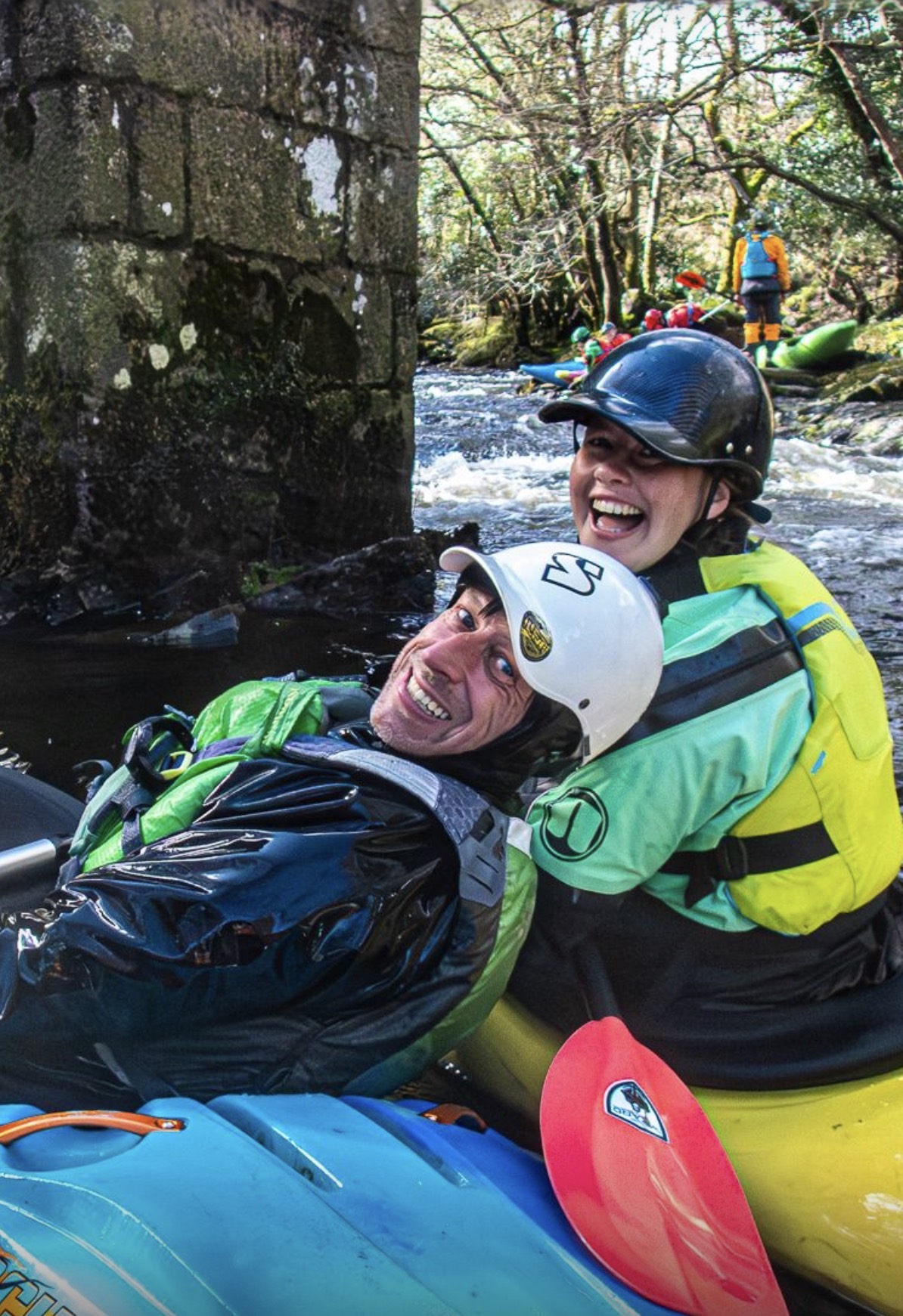
One of the most rewarding things about rolling isn’t just learning the skill itself - it’s becoming part of a group of people who genuinely enjoy helping each other improve. Consequently, everyone’s personal skill level tends to rise as well. But why is that such a transformative experience?
Categories:
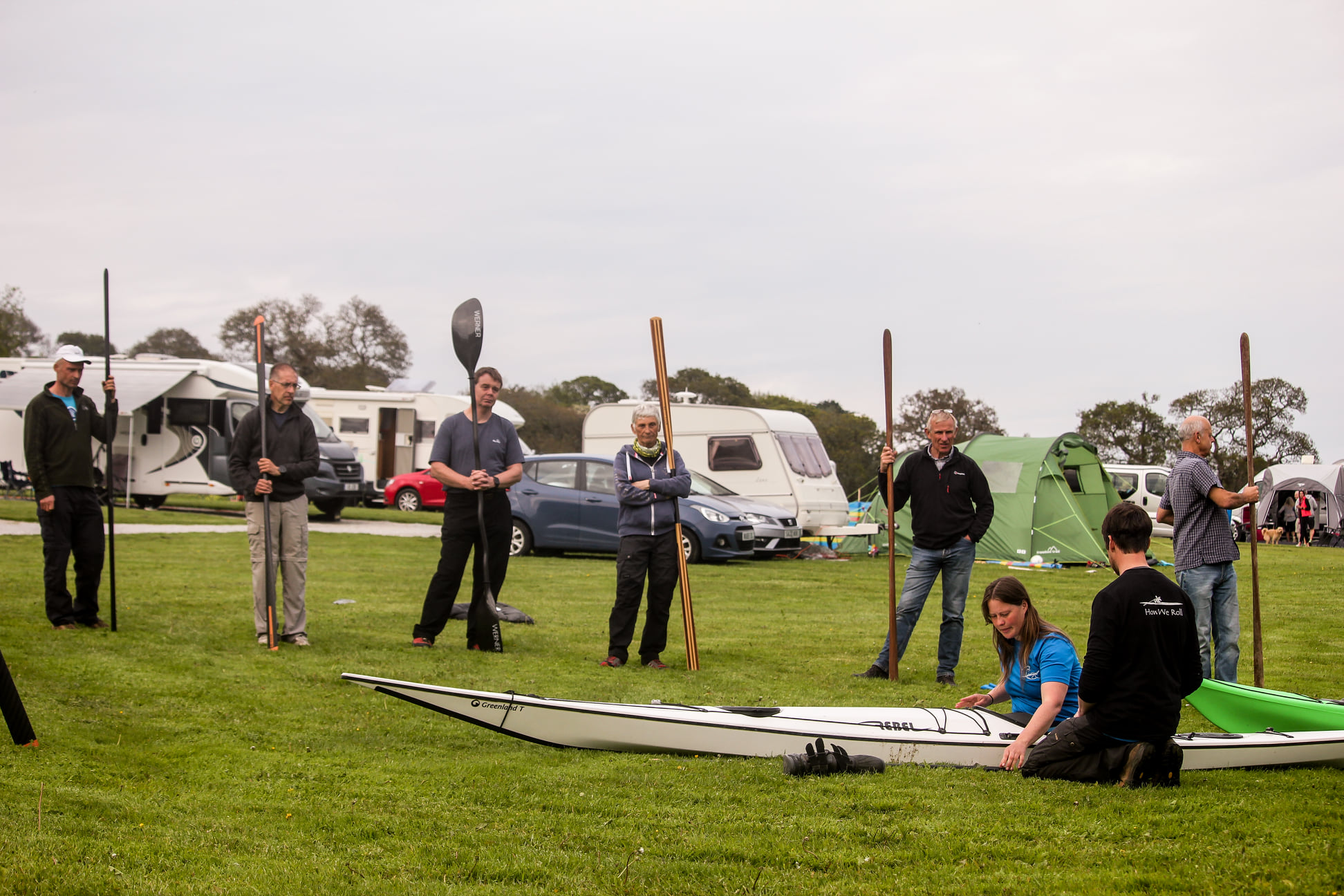
At a recent symposium, I had a client with a Euro paddle who assumed he wasn’t allowed to join our Greenland rolling session because he had the “wrong” paddle.
I ask him to stay.
Moments like that made me wonder if paddle choice has become a bigger divider than it needs to be? Does it shape not just how we paddle, but even who we paddle with? And more importantly we may get a clear separation for coaching: is that actually useful?
Categories:
It’s a question that comes up again and again — and one that often sparks a lot of debate, especially on social media.
So, let’s start with the idea itself.
What does a “bombproof roll” actually promise?
Is it something that works every time, in every condition, no matter what?
And if so… is that a misleading concept?
Categories:
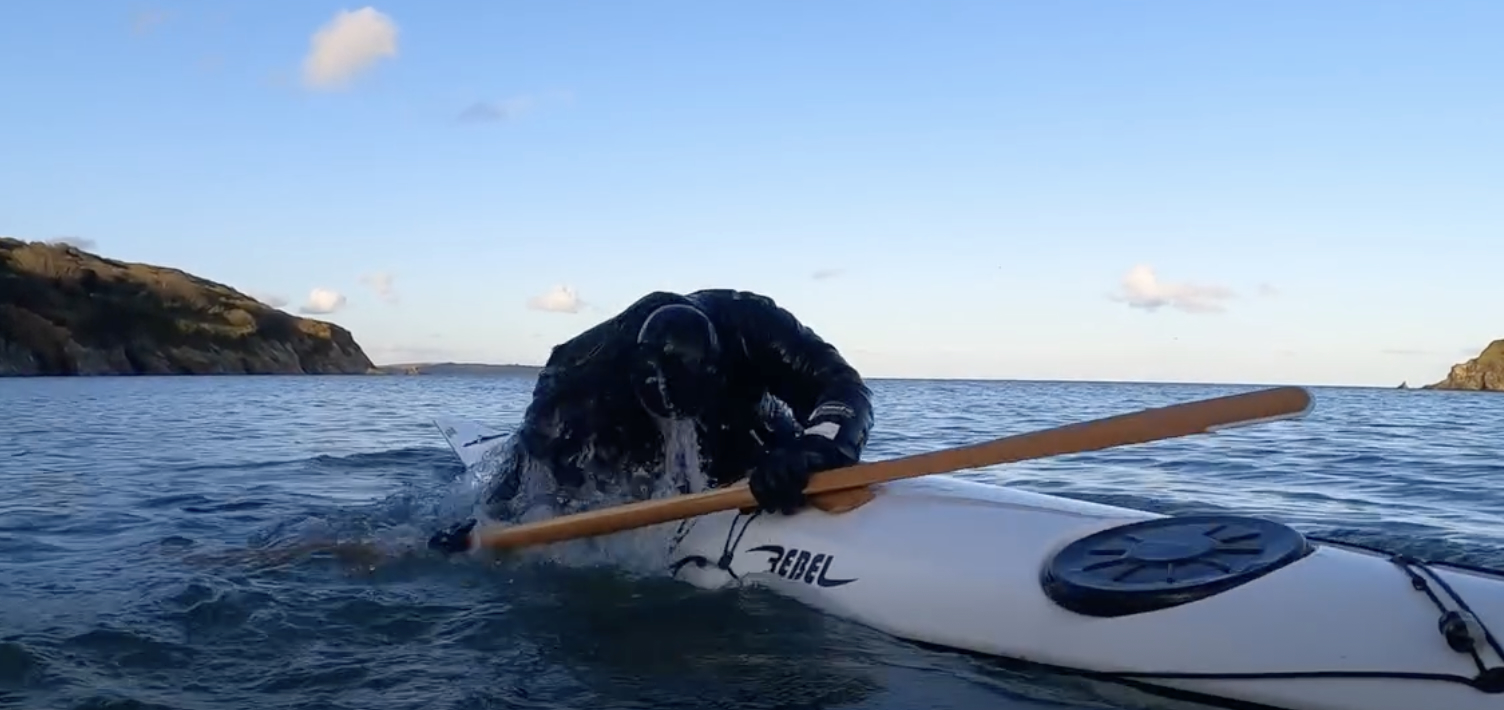
The storm roll is often harder to learn than layback rolls or the reverse sweep. But it’s absolutely worth the effort.
It’s fast, efficient, and keeps you in a strong, active paddling position. You even finish in a low brace—making it a highly practical roll for rough water. For many paddlers, it becomes the go-to when conditions get serious.
Categories:
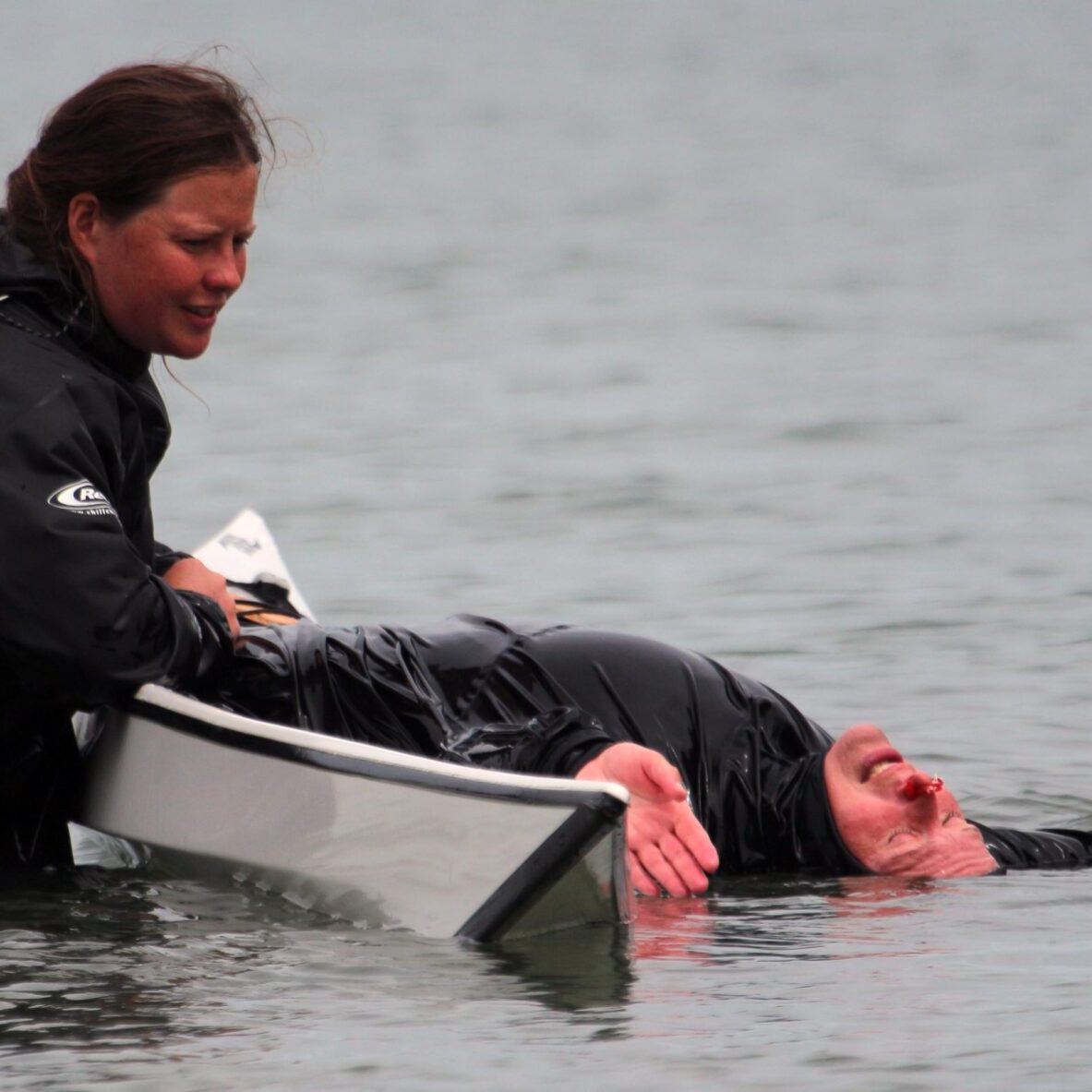
Not long ago, I watched a paddler finally “get” their roll after many attempts. The breakthrough came from a simple phrase another coach used. In that moment, I was reminded of something I love about coaching: everyone teaches a little differently, and everyone learns a little differently too.
Categories:
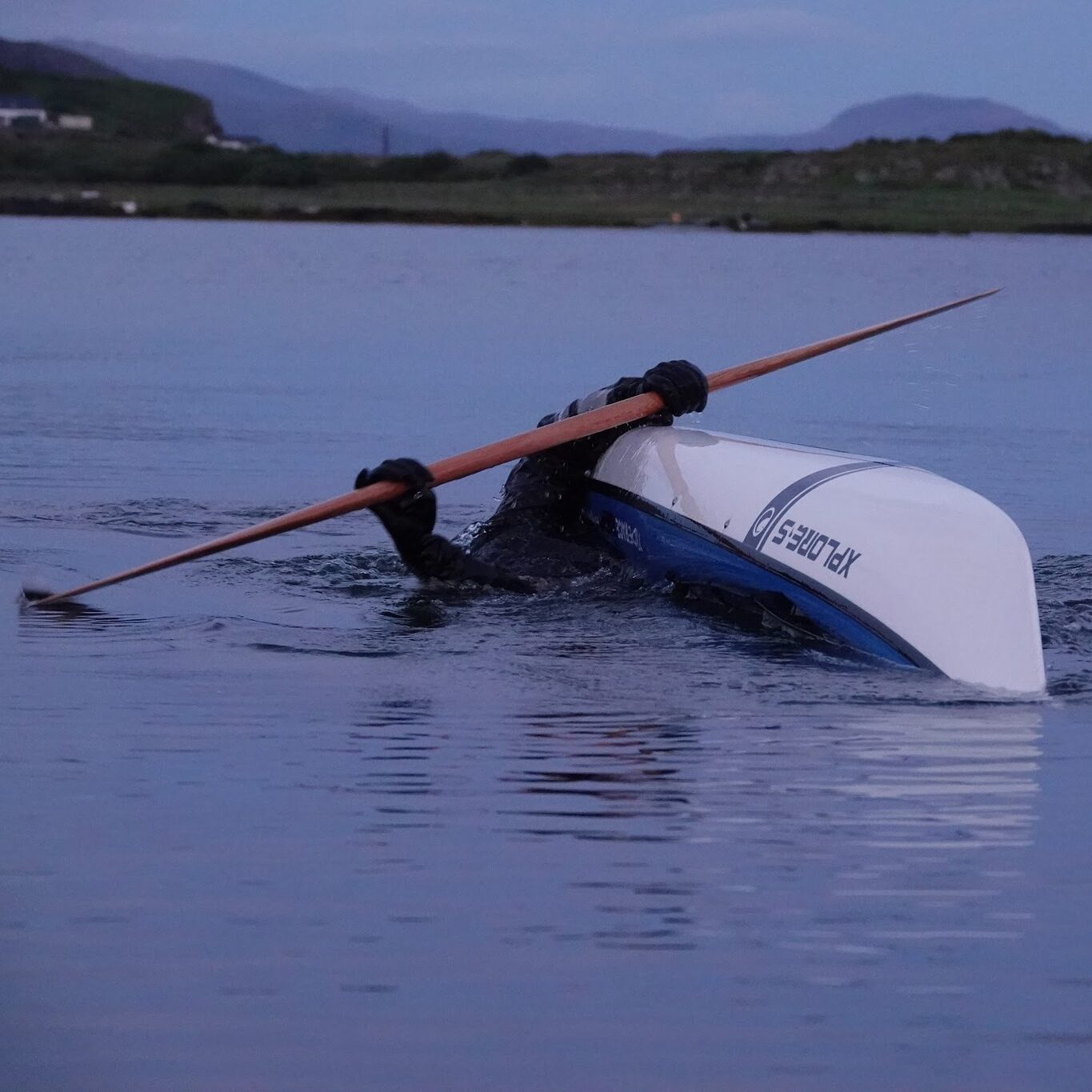
Learning to roll is about patience, kindness, and consistency. It’s not just technique, it’s working with your body and enjoying the process.
Recent Comments