It’s a question that comes up again and again, and one that often sparks a lot of debate, especially on social media.
So, let’s start with the idea itself.
What does a “bombproof roll” actually promise?
Is it something that works every time, in every condition, no matter what?
And if so… is that a misleading concept?
As an experienced roller and coach, my view is this:
A roll can become incredibly reliable – even feel automatic – especially when it’s based on body movement rather than force.
Done well, rolling becomes less about strength and more about timing, balance, and connection with the kayak.
Personally, I very rarely go out on the water without practicing a few rolls.
In fact, whenever I get into a new kayak or pick up a different paddle, one of the first things I do is roll. It tells me a lot about the setup – how the boat responds, how the paddle feels, and what adjustments I might need to make, and adjust my expectations if it gets sticky…
If I know I’m heading into rougher conditions, I’ll often do a few rolls early on. It’s a simple way to check in with my body and build confidence before things get more challenging.
So Why Do Rolls Fail?
In my experience, it usually comes down to a few key things:
- The roll was never truly solid – it worked sometimes, but relied on everything lining up perfectly
- Not enough practice
- Over-reliance on calm, controlled conditions and feeling relaxed
- Being pushed beyond your comfort zone, where your mind and body aren’t fully ready to commit
In reality, rolling is not just a physical skill – it’s also mental. If your head isn’t in it, your roll often won’t be either. Past bad experience can also a major blocker and will need to be addressed.
What Actually Makes a Roll Reliable?
It normally comes down to one important factor: It’s years of practice.
And a reliable roll comes from being honest with yourself, and humble enough to accept that it won’t work consistently unless you’ve practiced in the conditions you actually paddle in.
Flat water is a start, but it’s not the full picture.
To build a truly dependable roll, you need to:
- practice when you’re a bit off balance
- practice when you’re tired
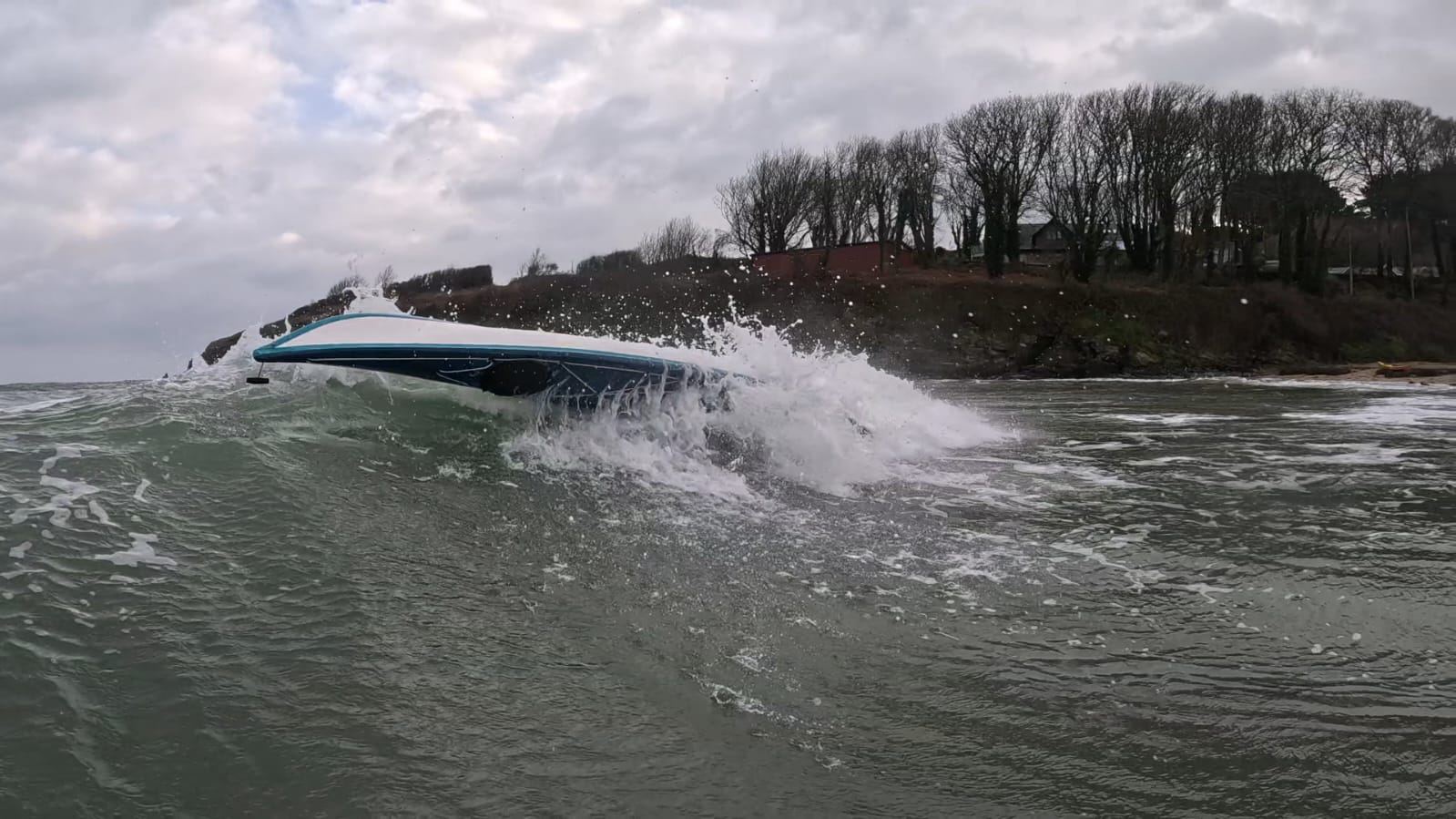
- practice in chop, wind, and movement
Because that’s where it really counts. Actually, conditions like waves and wind can help with the roll when you roll on the right side but initially they mess with your mind and make it harder to roll (imagine miles of tide race behind you when you set up to roll).
Over time with enough practice, you will notice that something shifts.
Rolling stops being a “move” you perform…
and becomes something that feels natural – almost effortless and your body can do it without you needing to think about it.
Ideally, it also becomes something you enjoy.
Something where you’re just as happy practicing rolls as you are going for a paddle.
But that does come with a reality:
It takes a lot of time. And not everyone has endless hours to commit.
That’s okay. The discipline to actually roll whenever you paddle will make a huge difference, that means your rolling skills will align with your paddling.
Taking It Further: Lessons from Greenland Rolling
One of the most effective ways to build a truly reliable roll comes from the traditions of Greenland rolling. Watch a Greenland rolling expert in conditions, they have a feeling for where they are and what the next move needs to be.
This is because rather than relying on a single “go-to” paddle roll, Greenland rolling explores a whole progression of skills:
- Paddle rolls
- Norsaq rolls
- Hand rolls
- Elbow rolls
- Even straightjacket rolls
and then there are different rolling families (layback, reverse sweep, storm roll) and sculling rolls.
At first, this might seem like showing off – but there’s a deeper purpose.
Each variation strips something away.
Less paddle.
Less leverage.
Less margin for error.
And what you’re left with is pure technique – body movement, timing, and connection with the kayak.
If you can roll without a paddle, then rolling with a paddle becomes a lot more forgiving.
In other words:
If you can do all of these, you’re very likely to finish a roll when it really matters.
But there’s an important piece to add.
Practising variations in rolls alone isn’t enough.
You also need to bring in real conditions:
- movement in the water
- wind and waves
- disorientation
- fatigue
Because a roll that works perfectly in flat water can fall apart when the environment changes.
Bringing It All Together
A “bombproof” roll might not truly exist.
But a highly reliable roll absolutely does.
And it’s built from:
- solid technique
- lots of varied practice
- exposure to different conditions
- and a willingness to keep learning
That’s where Greenland rolling really shines.
It doesn’t just teach you a roll,
it turns rolling into an art.
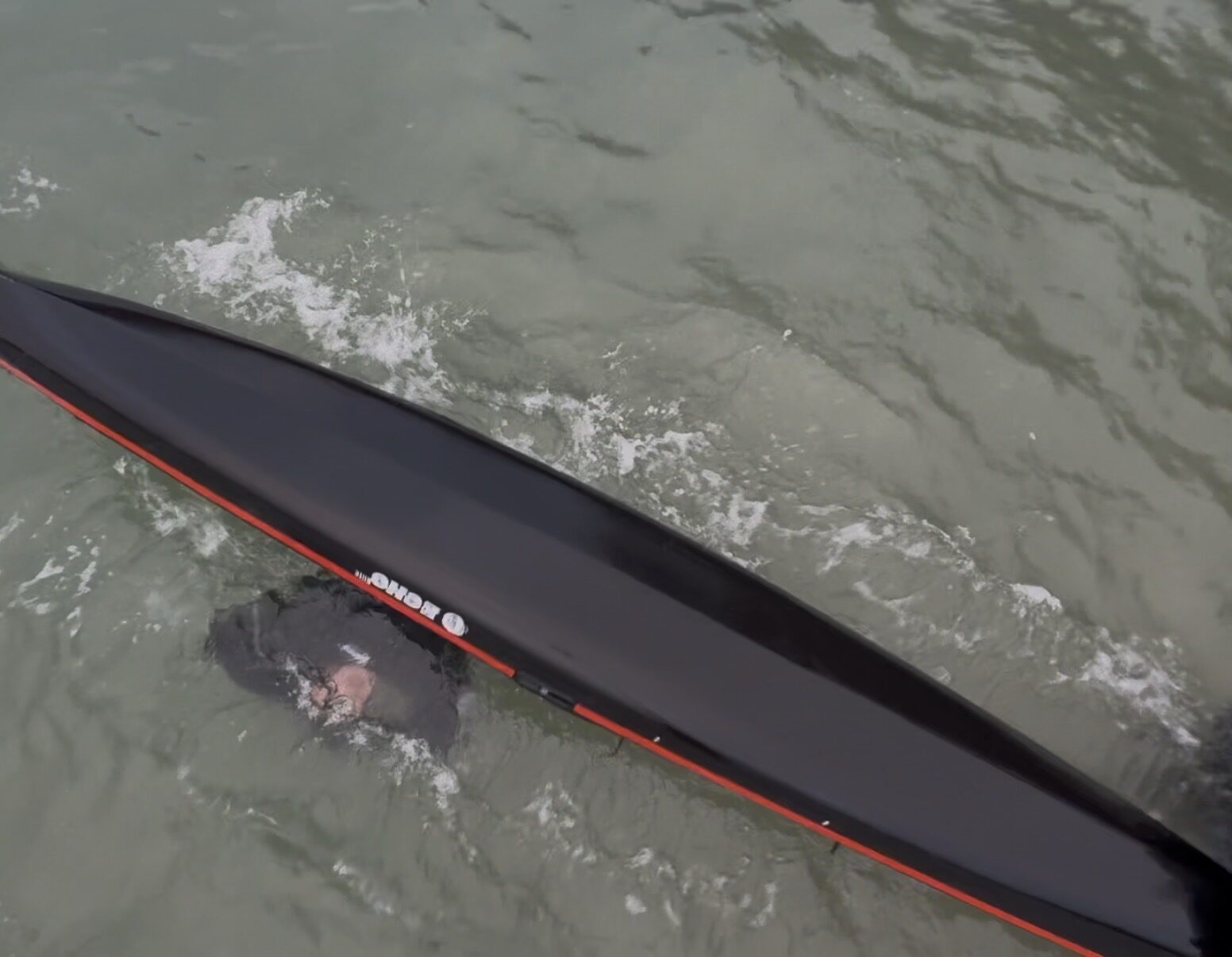
A “bombproof” roll might be a nice idea, but in reality, it’s something you build, not something you achieve once and keep forever.
It’s built through practice, through curiosity, through failure, and through learning to stay relaxed when things don’t go to plan.
The more ways you learn to roll, the less you depend on everything being perfect.
And that’s what really matters, through flexibility in your practice (different rolls, conditions, stress levels, kayaks, paddles) you will have a roll you can trust when it counts.
Therefore a Key Ingredient is Flexibility
If there’s one quality that underpins a reliable roll, it’s this flexibility that will make you an expert and that does not necessarily mean lots of different types of rolls but the variety in your experience.
That can mean rolling:
- in different kayaks from sea kayaks to whitewater to surf kayaks
- with different paddles
- in a wide range of conditions
Each variation teaches you something new.
It forces you to adapt, to feel the differences, and to rely less on one “perfect” setup.
At some level, that variety becomes essential.
Because the more situations you’ve experienced,
the less likely you are to be caught out when something changes.
And something always changes.
In the end, it’s about building the ability to adjust and respond – in addition to your ability to predict how the conditions you might experience will match your skill.
Comments are closed