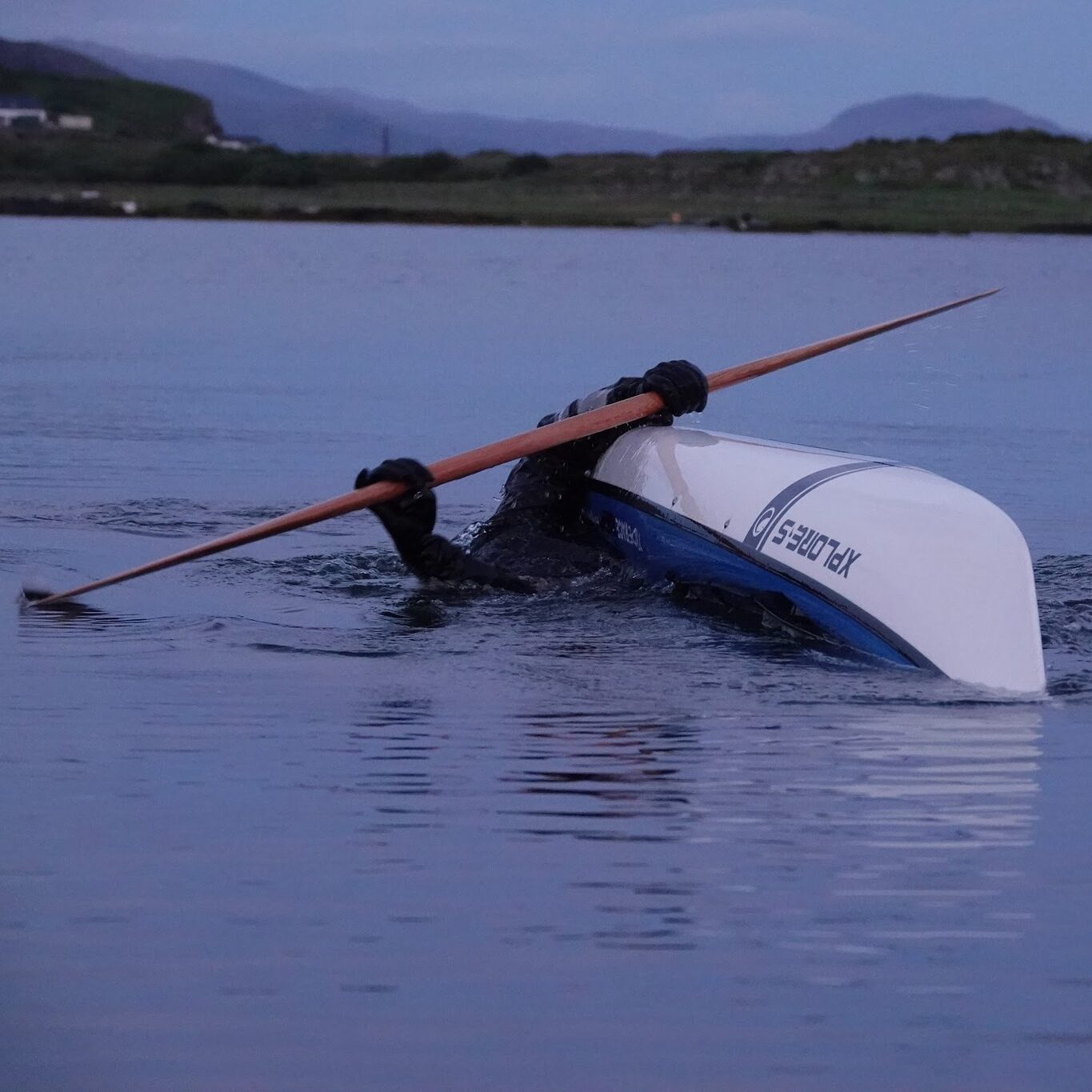
Learning to roll is about patience, kindness, and consistency. It’s not just technique, it’s working with your body and enjoying the process.
For some, rolling feels natural, especially if you’re already confident in the water or have good body awareness. For others, it can take time, and that’s okay.
Start by tackling key hurdles. If being underwater makes you tense, focus first on feeling relaxed upside down. If body awareness is your challenge, a few sessions of yoga or similar movement training can make a huge difference.
Master the Basics !
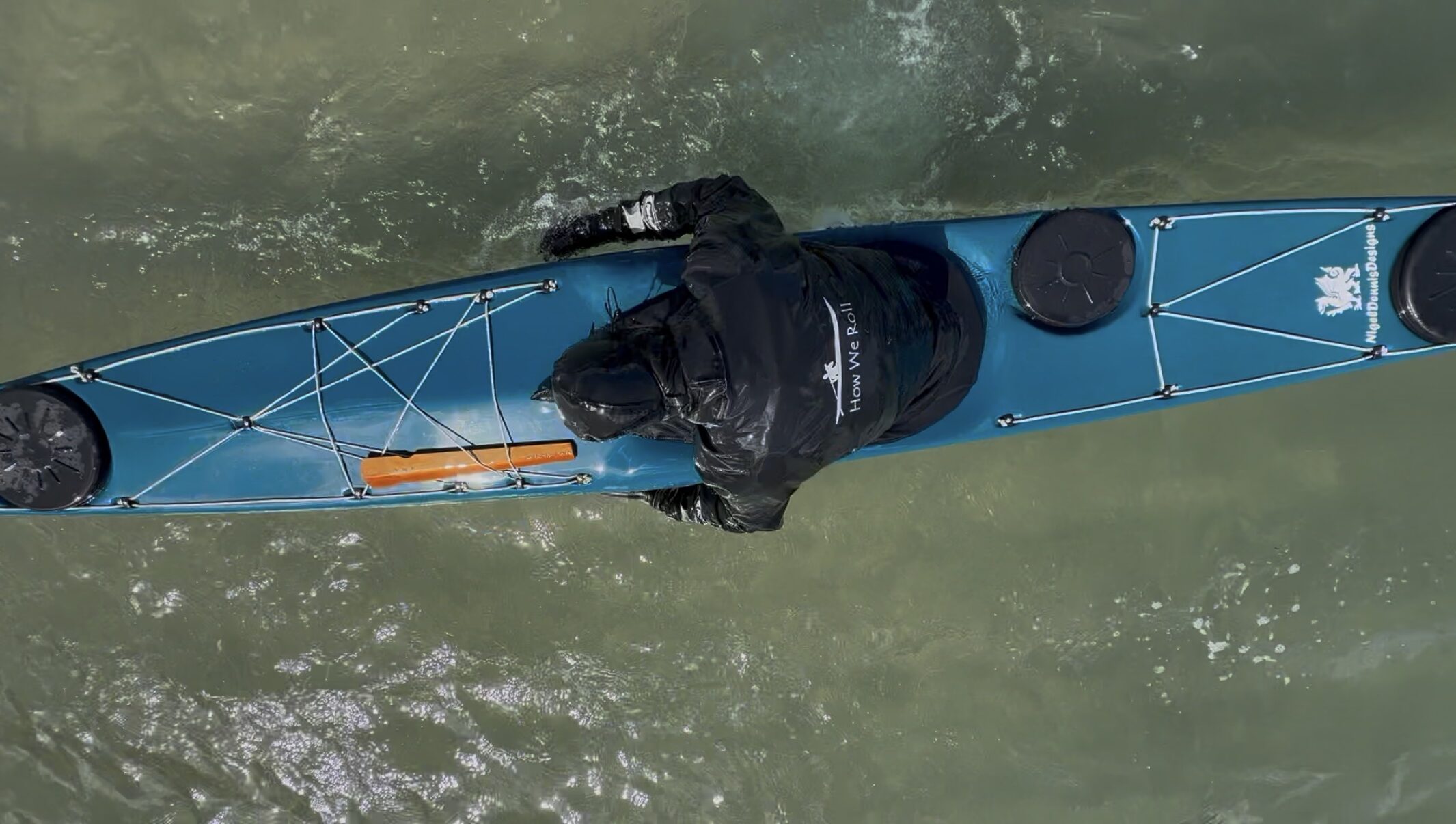
Without getting the basics right, it will be impossible to get a solid roll. Therefore the best way to start this journey is by getting help from an instructor or experienced friend. They will help you working on those foundation skills rather than rushing towards rolling (ideally the roll should be the consequence). Here a warning: unlearning bad habits is much much harder than learning the right technique. This is particularly true for rolling. Therefore start by getting comfortable with the core movements of the roll, like the balance brace or using leg drive to turn the kayak. Practice in calm, sheltered waters where you can focus on refining your technique without the pressure of challenging conditions. Having a partner or instructor will speed up your progress significantly and provide extra confidence. Land exercises as suggested by Cheri Perry and Turner Wilsonare really useful in refining these movements without even getting wet.
Develop a Calm Mindset
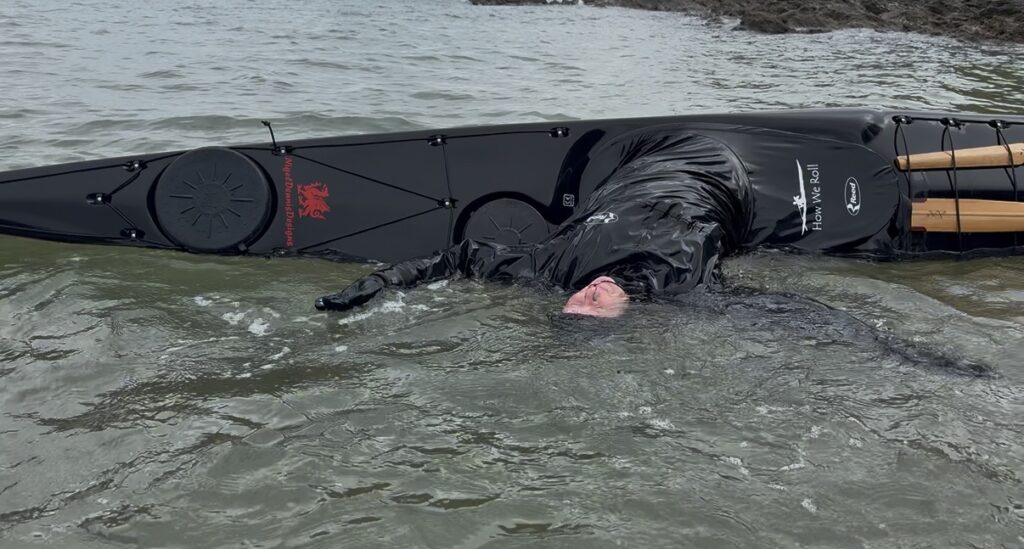
A consistent roll is as much about mindset as it is about technique. Stay patient, persistent, and open to learning. Visualise each step of the roll to build mental clarity and confidence and stay keen on working on those basics (rotation, flotation, leg drive, leading shoulder down, head last). After a while the movements will become natural and you don’t have to think about it anymore. Practicing with a group of like-minded paddlers is also helpful—supportive company encourages you, and you can learn from each other’s experiences.
Take Your Roll into Real Conditions
Once you’re comfortable with the basics, start testing your roll in slightly more challenging conditions. This can just mean a few meters off the beach or the partner steps away from the kayak. Once the rolls become consistent you can also move from flat to moderate conditions, gradually increasing the difficulty as your roll becomes more reliable. Always prioritise safety—taking small steps and building up gradually is key to solid learning.
Whenever you fail your rolls, take a step back and go to more supported scenarios. The key is to develop a good technique. While conditions can help you with the roll, e.g. roll with the wind and waves and not against them, they focus will be less on technique and if you haven’t developed that before – bad habits will emerge quickly.
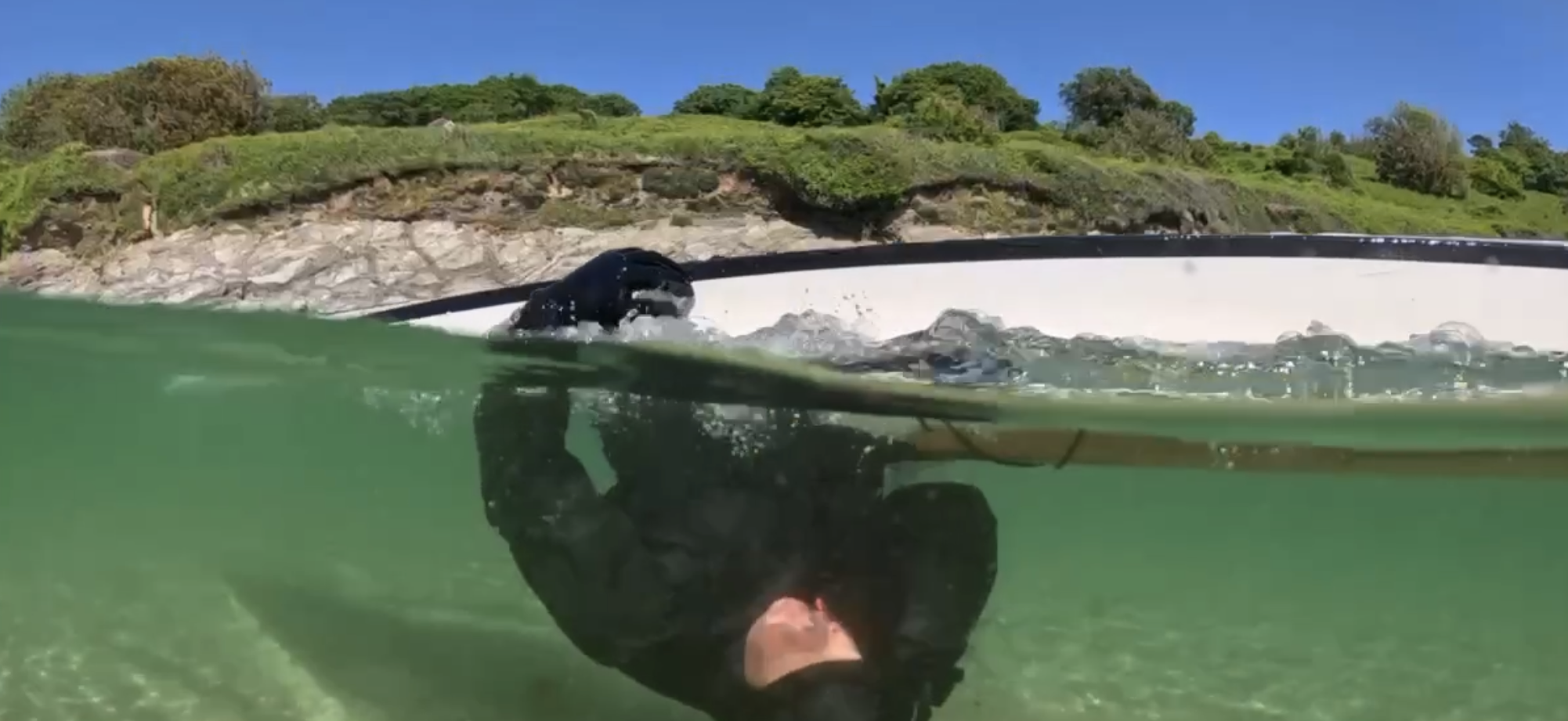
Make Rolling a Habit
Like any skill, regular practice is crucial. Incorporate rolling drills into your usual paddling routine to build muscle memory and consistency. The more you practice, the more natural and automatic your roll will become. Wearing a dry suit and tuilik is a great way to stay comfortable during cold-water practice.
Practice Yoga
Flexibility is often the limiting factor when it comes to rolling, but just as important is knowing your body and being willing to challenge yourself. Yoga is an excellent complement to rolling, as it enhances body awareness and flexibility—two key components in improving your roll.
Have fun: If you can turn rolling into fun, magic will happen!
Comments are closed